
To grasp the significance of the term for a venue dedicated to games of chance, one must recognize its roots in Italian culture. This establishment has been a staple of social interaction and entertainment for centuries, avia-masters2.uk serving both locals and tourists. The term itself hints at a space where risks and rewards intertwine, creating both excitement and camaraderie among visitors.
Historically, such places have provided more than just gambling opportunities; they represent a blend of artistry and architectural elegance, often boasting lavish designs. They are frequently situated in scenic locales, enhancing the overall experience. The rich heritage surrounding this term encompasses not only the thrill of gaming but also cultural traditions, culinary offerings, and even artistic performances.
In contemporary society, the relevance of this term extends beyond physical structures. It encapsulates a lifestyle, influencing fashion, entertainment, and leisure activities. Understanding its usage in modern discourse is key for anyone venturing into discussions about entertainment or exploring Italian culture. The atmosphere within these establishments is charged with an electric energy, drawing people into a world where chance reigns supreme.
Historical Origins of the Term ‘Casino’
The term originated in the 16th century from the Italian word “casa,” meaning “house.” Initially, it referred to small rural villas or country houses where people could enjoy leisure activities. Over time, these establishments began to serve as gathering places for social occasions, often hosting games and entertainment.
By the 18th century, the concept evolved into venues specifically dedicated to gambling. These establishments attracted the wealthy and the elite, blending gaming with dining and socializing. Significant cities like Venice and Monte Carlo became renowned for their lavish gambling halls, laying the groundwork for the modern interpretation of such establishments.
- The transition from social houses to gambling venues marked a shift in public perception.
- In the 19th century, governmental regulations began to shape the industry, leading to the formation of licensed establishments.
- Today, these places are ubiquitous worldwide, reflecting a blend of entertainment and risk.
Common Uses of ‘Casino’ in Italian Culture
In Italy, the term often refers to both physical establishments dedicated to gaming and the vibrant social environments they create. Traditional venues, especially in cities like Venice and San Remo, attract not only gamblers but also tourists eager to experience the luxurious atmosphere, artistic performances, and gastronomic delights. Many locals frequent these establishments for social gatherings, celebrating milestones, or simply enjoying a night out.
Beyond the gaming tables, the word takes on a broader meaning in everyday conversations. Italians may use it to describe a lively or chaotic situation. For example, during festive occasions or family gatherings, one might say, “C’era un vero casino!” indicating a fun, bustling environment filled with excitement and noise. This reflects the cultural appreciation for communal celebrations and the enjoyment of life in vibrant, engaging settings.
Differences Between ‘Casino’ and Similar Terms in Italian
The term commonly associated with gambling refers to an establishment specifically designed for various games of chance. In contrast, the word “casinò” is often used to denote a location where these activities occur, specifically focusing on the entertainment aspect.
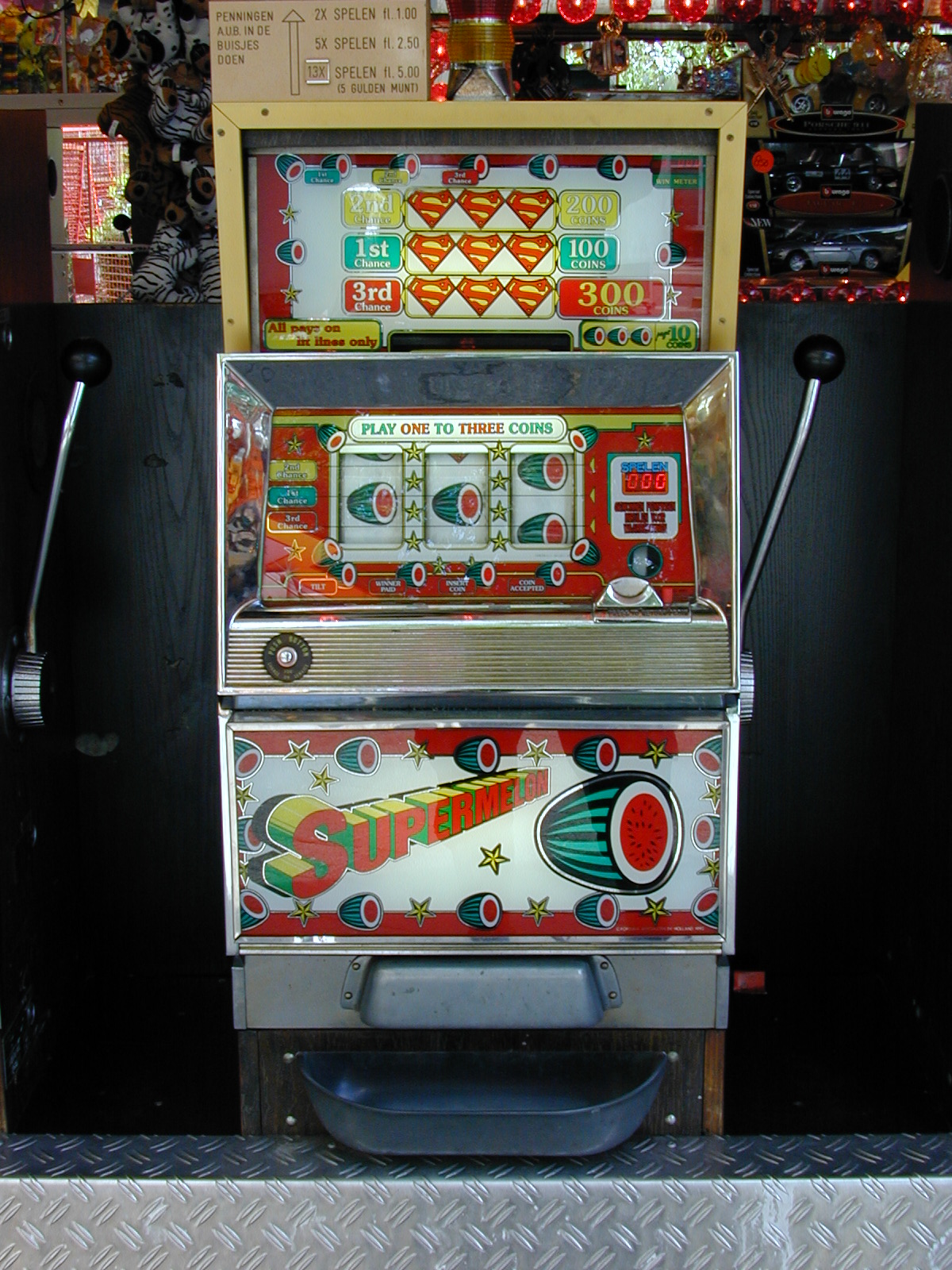
Another related term is “gioco,” which translates to “game.” While “gioco” encompasses all types of games, including board games and sports, the former is narrowed down to those involving betting and wagering. This distinction highlights the difference in usage depending on the context.
Additionally, “sala giochi” refers to an arcade or playroom. Unlike a gaming house, a sala giochi typically features electronic games and amusements rather than traditional betting games. The focus here is on casual entertainment, appealing to a younger audience or families.
The expression “lotteria” indicates a lottery, which is a completely different concept from the wagering establishments. Lotteries operate based on chance and ticket sales, offering prizes through random drawings rather than direct betting on games.
Another significant term is “punta,” referring to a stake or bet placed during games. Though it relates to wager activities, it does not imply the establishment itself, but rather the action involved in various gambling scenarios.
Unlike “gioco” or “sala giochi,” the term “bingo” specifically pertains to a game where players match numbers on cards against drawn numbers. While it shares similarities with wagering, it represents a more social gathering than a dedicated gambling venue.
Understanding these distinctions enhances comprehension of the various terms connected to betting and entertainment in establishments. Each term has unique implications based on context, usage, and audience. Recognizing these differences is vital for effective communication in discussion or literature surrounding the topic.
